
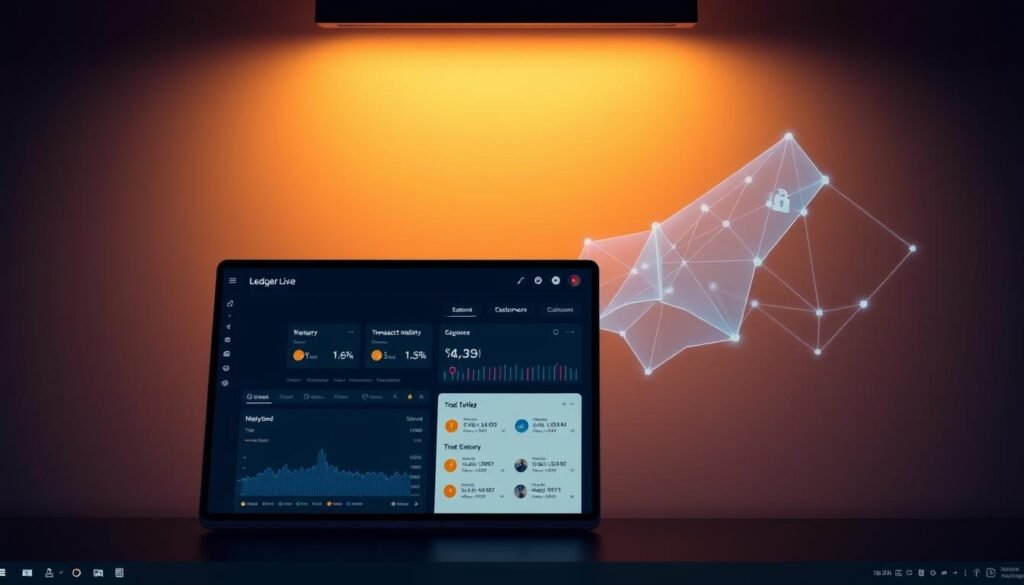
As more people in the United States get into crypto, the risks like theft and scam grow. Choosing a safe wallet is crucial, not just a hobby. This review looks at Ledger Live and compares it with other popular wallets for managing digital money.
Hot wallets like Exodus, Trust Wallet, MetaMask, and others are great for quick trades and accessing DeFi and NFTs. They are handy but come with the risk of online attacks. Cold wallets, including Ledger and Trezor, store keys offline which protects your digital money. However, you need to back up your seed phrases carefully and set them up with a bit more effort.
We’ll examine important aspects for users: security checks, Web3 support, staking, support for various currencies, fees, how easy they are to use, how well they work on different devices, and tools for managing your portfolio. For example, several wallets like Exodus and Zengo have high ratings from the community and security audits. Meanwhile, Ledger devices partnered with Ledger Live offer top security elements recognized in the industry, despite one dataset rating the app lower.
Comparing hardware is also key. For instance, when looking at D’CENT versus Ledger Nano X, you see differences in Bluetooth technology, security features, ways to unlock them, battery details, third-party app support, and pricing. These comparisons help you decide what’s more important: ease of use or control.
By the end of this overview, you’ll understand Ledger Live’s strengths and how it stacks up against other options. We’ll connect each feature to actual uses like keeping track of your portfolio, trading, earning staking rewards, and managing NFTs, all while making blockchain tech and ownership easy to understand.
Key Takeaways
- Ledger Live works with Ledger hardware to keep private keys safe while managing assets anywhere.
- Hot wallets offer ease for active trading but have more online risks; cold wallets provide more security.
- Key security aspects include independent audits, CER levels, CertiK scores, and validation of security elements.
- Different wallets have gaps in features like Web3 access, staking, currency support, and portfolio management tools.
- In comparing hardware, consider Bluetooth technology, security methods, battery life, and cost.
- The best wallet for you depends on your security needs, how you plan to use it, and your goals in crypto.
Introduction to Ledger Live
Ledger Live provides security like a vault for your digital cash. It combines the quickness of an online wallet with the safety of an offline one. This lets you check balances, respond to market changes, and go through transactions knowing you’re safe. Its design makes it easy to manage both your long-term investments and quick trades.
What is Ledger Live?
Ledger Live is the go-to app for Ledger device users, such as those owning a Ledger Nano X or Nano S Plus. It takes care of your digital money and collectible tokens. Your secret keys stay protected inside the gadget’s iron-clad security. You have the freedom to buy, sell, exchange, and stake, all without losing grip over your assets.
The app works on both computers and phones. The Ledger Nano X connects wirelessly, and both types can plug in through a USB-C cable. A check confirms your device is legit before you start using it. And you okay every transaction yourself on the gadget. This setup means you always own and control your assets.
Key Features of Ledger Live
- Easy setup for handling multiple types of money, with apps you can add on Ledger Nano X to manage many assets.
- Watching your portfolio with up-to-the-minute updates on your coins and collectibles, showing you price changes and how your assets are spread out.
- Directly access a trading service to buy, sell, or swap, with ways to use regular money too.
- Earn rewards by staking, with secure confirmations right on your device for a safer wallet use.
- A Discover section for new apps in finance or for collecting digital art, and ways to connect with WalletConnect, opening doors to new projects.
- Checks to make sure your device and its software are real and safe, a backup phrase for recovery, an optional Ledger Recovery with extra secure, split up storage of your key, and a way to back everything up on a second Ledger.
These features make Ledger Live an essential daily tool for anyone with digital assets. It allows you to keep up with the market, stake, and explore Web3, all while your hardware secures your keys. It’s the perfect mix of cold storage safety and trading ease.
Competing Wallets Overview
Hot and cold wallets are getting better fast. This is because of new blockchain technology, mobile habits, and the push to keep digital assets safe. People have to choose between keeping their crypto safe or being able to manage it quickly. They also look at if the wallet supports lots of cryptocurrencies and updates in real time. Here’s a detailed comparison of top wallets in the U.S. market.
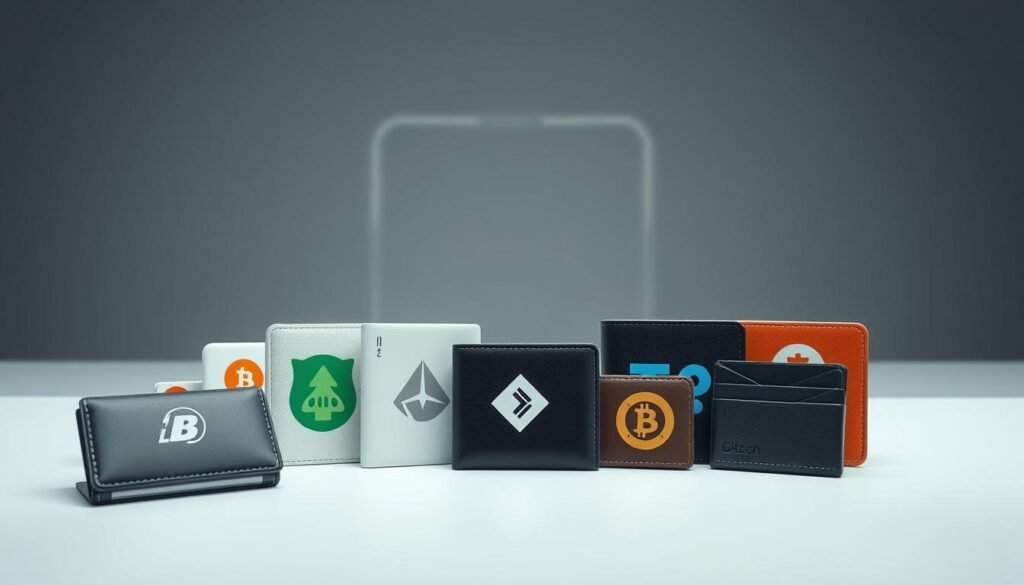
Comparing Popular Wallets
Exodus works on many platforms like Android and iOS, and even on Linux, Mac, and Windows. It has top security scores and supports over 50 blockchains. It also connects directly with Trezor for extra security and lets you swap cryptos easily within the app.
Zengo is available for different devices and emphasizes security with its AAA rating. Its keyless setup and 24/7 help stand out. Trust Wallet offers not just a high security score but also supports many cryptos. It lets you see NFTs and swap cryptos fast, always keeping you updated.
MetaMask can be used on Android, iOS, and web browsers. It’s highly rated for security but doesn’t support Bitcoin or Solana. Coinbase Wallet is great for using dApps and NFTs. It even has educational quests and transaction previews, making crypto management smoother with its Coinbase link.
Bitcoin-first choices: Sparrow works on desktops with features for better fee management, and BlueWallet is for mobile users with several advanced features. For hardware wallets, Trezor and D’CENT stand out with their high security and easy-checks.
Wallet Security Features
Having control over your keys means you truly own your digital assets. Hot wallets protect your keys but are more exposed online. Cold wallets keep keys offline, making them safer from online attacks. This choice is crucial for anyone handling cryptocurrencies.
Different wallets offer varying levels of security. Exodus and Trust Wallet have top ratings for their security. MetaMask and Zengo also offer unique features for safety. Trezor focuses on transparency and D’CENT uses advanced tech for fingerprint sign-ins. Ledger has added layers of protection in its apps.
Ways to back up your wallet differ. Hot wallets usually use a special phrase for recovery. Zengo and Ledger have their unique methods. D’CENT even lets you add an extra word for more security. These options impact how you recover your wallet and use multiple currencies.
User Experience and Interfaces
Exodus is user-friendly, working across devices. It pairs with Trezor and makes swapping cryptos easy. Trust Wallet makes using your phone for crypto simple. It has a Web3 browser and supports many digital assets.
MetaMask stands out for Web3, DeFi, and NFTs. It has useful plug-ins and controls. Coinbase Wallet links learning with easy exchange access. Sparrow and BlueWallet serve Bitcoin users with advanced tools.
D’CENT’s app offers insights from CoinMarketCap and CoinGecko, plus a Web3 browser, managing multiple wallets easily. Ledger Live works on desktop and mobile, offering staking, NFTs, and a dApps marketplace. User interfaces range from simple to advanced, but all aim for up-to-date info and supporting various currencies.
Ledger Live vs Competitors
Choosing the right wallet depends on trust, features, and what fits you best. Ledger Live works with hardware to keep your keys safe off the internet. Competitors might use easier mobile apps or open-source tools. Here, we compare top options in terms of safety, ease of use, variety of assets, and costs. We also look at how they handle portfolio tracking, updates, and exchanging crypto when needed.
Security Comparison
Ledger Live pairs with Ledger devices using CC EAL5+ secure elements for offline key storage. It checks if devices are genuine and offers another layer of security with encrypted recovery. This recovery scatters data across regions for safekeeping, needing your identity for access.
D’CENT also uses CC EAL5+, but adds fingerprint unlocking and checks firmware integrity regularly. Unlike others, it doesn’t do digital backups, relying instead on a 24-word seed phrase and an optional passphrase. Trezor uses an open-source design with a PIN and passphrase, offering a more affordable choice. However, app ratings for Trezor vary by reviewer.
Hot wallets like Zengo, MetaMask, and others offer fast, Web3-friendly options. Zengo eliminates the need for seed phrases with its security design. The rest protect your keys with strong encryption. Despite good ratings, these wallets are more exposed to malware and phishing than hardware options like Ledger Live.
Ease of Use
Ledger Live is available for both desktop and mobile. It supports Bluetooth on Nano X and USB‑C, and offers features like staking, viewing NFTs, and exploring dApps. Managing multiple accounts is easy, with real-time data on your investments and activities.
D’CENT’s app is just for mobile and includes a Web3 browser and market trends. It’s designed to be user-friendly with a large screen and extra buttons. Other wallets like Trust Wallet and Coinbase Wallet simplify getting started on mobile. Zengo reduces setup time with its support team available 24/7, while MetaMask provides deeper Web3 access but requires more setup.
Supported Cryptocurrencies
The Ledger ecosystem supports over 5,500 coins and tokens, allowing broad portfolio tracking. The Nano X can handle up to 100 apps, making it easy to swap currencies through integrated exchanges.
- D’CENT lists 4,600+ assets over 80+ chains with options for cross-chain swaps and NFTs.
- Trust Wallet offers a wide range of mobile assets, including NFTs and Web3 tokens.
- MetaMask specializes in EVM chains and doesn’t natively support Bitcoin or Solana.
- Exodus handles 50+ networks and thousands of pairs, with Coinbase Wallet and Zengo also supporting many assets.
- Trezor gives access to 1,000+ assets, depending on the model.
Fees and Costs
Ledger Nano X sells for about $149. D’CENT’s biometric wallet is close at $139, and its NFC wallet is $38, with limits. Hot wallets like Exodus and others are free to download. Yet, service fees for certain transactions can add up, particularly for beginners.
Though hardware costs more upfront, it saves money long-term by keeping keys safe offline. Apps like Ledger Live and Trust Wallet offer staking. Remember, swapping in-app means paying network and platform fees. However, real-time updates can help you make informed decisions.
Conclusion and Recommendations
Choosing a secure wallet depends on your risk level, the types of coins you have, and your trading habits. Ledger Live combines hardware safety with easy-to-use features, making it a great pick for folks in the U.S. who prioritize security and simple operations. It supports various currencies, staking, NFT tools, and keeps track of your portfolio in real-time, suiting both permanent storage and everyday transactions.
Best Use Cases for Ledger Live
Ledger Live is perfect for long-term investors preferring cold storage and verification on their device before transactions. It also suits active users exploring dApps, DeFi, and NFTs while maintaining personal control. Moreover, it can manage numerous assets and store up to 100 apps on a Ledger Nano X, making it excellent for handling multiple cryptocurrency accounts across significant networks.
Security is always a priority. With confirmations done on the device and secure elements, it lowers online risks. An additional digital recovery option offers more safety than just paper backups. For keeping track of your portfolio, its real-time updates and integrated views allow prompt decisions without needing several tools.
Where to Find More Information
Look into third-party security assessments like CER and CertiK Skynet for wallets including Exodus, Trust Wallet, MetaMask, and Zengo. Review Ledger Live’s documentation for insights on staking, NFT management, and handling multiple currencies. Comparing it to others, such as D’CENT versus Ledger Nano X, sheds light on Bluetooth connectivity, battery life, user authentication, backups, and cost. Additionally, explore basics on hot vs. cold wallets, seed phrases, public vs. private keys, and the value of non-custodial options.
Final Thoughts on Choosing a Wallet
Match the wallet with your objectives. Hot wallets work well for frequent trading and Web3 access, while cold storage is better for larger assets and more security. Look into which networks they support and whether they meet your desktop or mobile needs. Also consider how you’d prefer to recover your account, using seed phrases, MPC, or digital backups. It’s wise to compare audits, claims of being open-source, and ways to authenticate, such as PINs, phrases, or biometrics.
With fraud and market volatility on the rise, taking control of your crypto without relying on a custodian is smart. Ledger Live offers top-notch security with the convenience of modern crypto management. It supports numerous currencies, allows portfolio monitoring, staking, and accessing dApps. For many in the U.S., it’s a reliable choice that doesn’t compromise on ease of use or safety.
FAQ
What is Ledger Live and how does it differ from a hot wallet?
Ledger Live is the app for Ledger’s hardware wallets, such as the Nano X and S Plus. It handles your cryptocurrency, from trading to tracking your portfolio, securely within the device. Unlike hot wallets (like Exodus and MetaMask), which store keys online, Ledger keeps your keys off the internet. This means it’s safer but still user-friendly and keeps you updated in real-time.
How does Ledger Live keep my digital assets secure?
Your private keys stay safely inside your Ledger wallet. You check and approve transactions right on your device. Ledger’s tech includes top-notch security elements and checks its hardware is genuine. It doesn’t hold onto your assets, lets you set up a PIN, and checks its own updates for extra safety.
Does Ledger Live support Bluetooth and USB connections?
Yes. You can connect Ledger Live through Bluetooth with the Nano X and via USB-C with certain models. The app deals with transaction info, but the signing part is securely done on your hardware wallet.
Which coins and blockchains can I manage in Ledger Live?
Ledger supports over 5,500 coins and tokens, including Bitcoin and Ethereum. You can install apps on the Nano X for up to 100 different assets at once. Its ability to handle many currencies is great for managing your entire portfolio with ease and getting updates instantly.
How does backup and recovery work with Ledger Live?
You usually use a 24-word recovery phrase for backups, which works on any compatible Ledger device. For extra safety, you can have a backup Ledger or use Ledger Recovery. This service encrypts and splits your key, keeping pieces in secure places globally, ensuring your recovery is safe and private.
How does Ledger Live compare to Exodus, Trust Wallet, MetaMask, Zengo, and Coinbase Wallet?
Hot wallets like Exodus and MetaMask are user-friendly, support many cryptocurrencies, and are good for daily use. They score well for ease of use and security. Ledger Live is different because it adds an extra security layer by keeping your keys safely offline. It still gives you access to trading, staking, and NFTs, all from one place.
What about Bitcoin-focused wallets like Sparrow and BlueWallet?
Sparrow and BlueWallet cater to Bitcoin users, offering detailed settings and support for the Lightning Network. They suit those who like to control every detail. Ledger Live also supports Bitcoin, focusing on security and supporting many other cryptocurrencies too.
How does Ledger Live stack up against hardware rivals like Trezor and D’CENT?
Trezor is known for its open-source approach and secure on-device checking. D’CENT offers a secure element and biometrics. Ledger combines high-level security with easy access to staking, apps, and more, making it a versatile choice.
Is Ledger Live open source?
Some parts of Ledger are not open for public review, to keep things secure. Even so, the hardware is secure and checked thoroughly. It’s been rated CCC for safety and ensures your device is genuine.
Can I use Ledger Live for DeFi, NFTs, and dApps?
Absolutely. Ledger Live provides direct access to dApps, NFTs, and staking through its Discover and Earn sections. While you explore Web3, your private keys remain securely stored in your wallet.
What platforms does Ledger Live support?
Ledger Live is available for both desktop and mobile devices. This makes monitoring your assets and trading seamless, no matter your device.
Are there fees for using Ledger Live?
Downloading the app is free, but sending money on the blockchain does cost. Other services within Ledger Live might charge fees too. Even though hot wallets are free, a Ledger device provides unmatched security for a one-time purchase.
How do the user experiences differ across wallets?
Wallets like Exodus and Trust Wallet are great for beginners. MetaMask shines with Ethereum and NFTs, but it’s a bit complex. Zengo and Coinbase Wallet also offer unique features. Ledger Live brings the best of secure hardware and simple use, making managing crypto less stressful.
Which wallet type should I choose—hot or cold?
It depends on your needs. Hot wallets are good for quick transactions and DeFi. Cold wallets, like Ledger with Ledger Live, protect from online threats, ideal for storing large amounts or for long-term investment. They blend security with everyday functionality.
Does Ledger Live support staking directly in the app?
Yes. Through its Earn section, you can stake assets and keep track of your rewards. All staking operations need your approval on the hardware device, ensuring a secure process.
How many apps can I install on a Ledger device?
With a Ledger Nano X, you can add up to 100 apps, based on their sizes. This lets you manage a wide range of cryptocurrencies securely and stay on top of your portfolio.
Can I connect Ledger Live to decentralized exchanges?
You can link to DEXs and other DeFi platforms using the Discover tab and WalletConnect. This way, you can trade and participate while keeping your keys secure.
How do security ratings compare across leading wallets?
Hot wallets like Trust Wallet and MetaMask have high ratings for security. Trezor is noted for its solid, open firmware. Ledger emphasizes strong security measures, gaining a CCC rating while ensuring your transactions are safe.
What are the costs of hardware alternatives like D’CENT?
D’CENT’s wallets range from $38 to $139, offering various security features. The Ledger Nano X, at about $149, provides top-notch security for managing your digital assets.
Is Ledger Live suitable for beginners in the U.S.?
Definitely. It guides you through setup, has a straightforward interface, and includes transaction previews. It’s a great way to learn about crypto securely and with ease.
Where can I learn more before choosing a wallet?
Look into CER and CertiK scores for hot wallets, read up on Ledger and its rivals, and explore different wallet types. Understanding these basics will help you pick a wallet that fits your security needs and lifestyle.
Conclusion
Ledger Live offers a powerful mix of hardware-level security and everyday convenience. With support for 5,500+ coins, staking, NFTs, and Web3 access, it keeps your private keys safe while letting you trade, track, and grow your crypto portfolio. Compared to hot wallets like Exodus, Trust Wallet, and MetaMask, Ledger Live reduces online risks, making it a smart choice for U.S. and global users seeking secure, simple crypto management.