
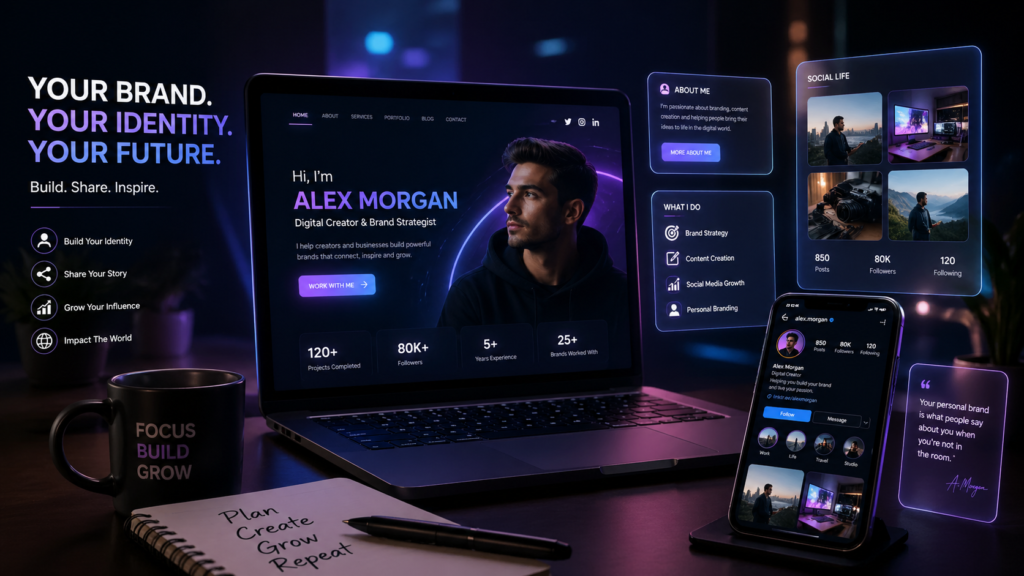
Introduction
In the modern digital world, branding is no longer just about logos, slogans, or advertisements. It has evolved into something much deeper on digital lifestyle branding. Today, people don’t just buy products; they buy identities, experiences, and lifestyles that align with who they are or who they want to become. Even niche lifestyle interests and highly specific product categories such as a flat chastity cage, often discussed in broader conversations about individuality and personal expression, reflect how deeply personal branding and identity-driven choices have become.
This transformation is driven by social media, artificial intelligence, and constantly evolving digital ecosystems. Consumers are no longer passive buyers—they are active participants in shaping their online identity. As a result, brands must now focus on emotional connection, personalization, and storytelling rather than traditional marketing alone.
Evolution of digital branding
Digital branding has evolved dramatically over the last decade. Earlier, branding was mostly about corporate identity, print ads, and television campaigns. Today, branding exists everywhere—on social media profiles, websites, apps, and even personal online interactions.
Modern users interact with brands in real time. They follow, like, share, and engage with content daily, which means brand identity is constantly being shaped and reshaped by audience perception. This shift has made branding more dynamic and user-driven than ever before.
Businesses now need to think beyond traditional marketing and focus on building meaningful digital presence. A brand is no longer what a company says it is—it is what users experience and share online.
Rise of personal identity in online spaces
One of the biggest changes in modern branding is the rise of personal identity in digital spaces. People now treat their online presence as an extension of themselves. Social media profiles, content creation, and digital interactions all contribute to how individuals express identity.
This has created a new type of branding where individuals and businesses overlap. Influencers, creators, and even everyday users shape trends and influence purchasing decisions. As a result, brands must align themselves with personal identity rather than just selling products.
Consumers now expect authenticity. They want brands that reflect their values, lifestyle, and emotional tone. This shift has made storytelling and emotional branding more important than ever.
Impact of social media ecosystems
Social media platforms have completely transformed how branding works. Platforms like Instagram, TikTok, and YouTube are not just communication tools—they are identity-building ecosystems.
Users constantly consume content that shapes their perception of lifestyle, fashion, technology, and even personal values. This exposure directly influences buying behavior and brand preference.
Brands that succeed on social media are those that create emotional engagement rather than just promotional content. Short-form videos, storytelling posts, and interactive content all play a major role in shaping modern digital branding strategies.
Consumer psychology in digital branding
Consumer psychology is at the core of modern digital branding. People do not make decisions purely based on logic—they are influenced by emotions, visuals, trust signals, and social validation.
In digital environments, attention spans are short, and competition is extremely high. This means brands must capture emotional attention within seconds. Visual identity, storytelling, and user experience all contribute to how consumers perceive a brand.
When users feel emotionally connected to a brand, they are more likely to engage, trust, and purchase. This emotional connection is now one of the strongest drivers of modern digital marketing success.
Emotional triggers in branding decisions
Emotional triggers play a huge role in influencing consumer behavior. These triggers include feelings like trust, excitement, fear of missing out, and belonging.
Brands use these emotional cues through:
- Visual storytelling
- Influencer marketing
- Limited-time offers
- Personalized messaging
These strategies are not accidental—they are carefully designed to align with human psychology. When done correctly, emotional branding creates strong long-term customer loyalty.
Role of trust and digital reputation
Trust is one of the most important elements in digital branding. Without trust, even the most visually appealing brand cannot succeed in the long term.
Consumers rely heavily on reviews, ratings, testimonials, and social proof before making decisions. A strong digital reputation increases confidence and reduces hesitation in buying decisions.
Brands must actively manage their online presence, respond to feedback, and maintain transparency to build lasting trust with their audience.
Personalization in modern branding
Personalization has become a key factor in modern branding strategies. Users expect content, products, and experiences tailored specifically to their needs and preferences.
With the help of artificial intelligence and data analytics, brands can now understand user behavior at a deep level. This allows them to deliver highly relevant recommendations and personalized experiences.
Personalization makes users feel understood and valued, which significantly improves engagement and loyalty.
AI-driven brand personalization
Artificial intelligence plays a major role in modern personalization strategies. AI systems analyze user behavior, preferences, and interactions to create customized experiences.
These systems help brands:
- Recommend relevant products
- Personalize content feeds
- Improve customer engagement
Over time, AI becomes more accurate, allowing brands to build highly efficient and personalized digital ecosystems that adapt to each user individually.
User experience as a branding tool
User experience is now one of the most important branding elements. A smooth, intuitive, and visually appealing experience directly influences how users perceive a brand.
From website design to app navigation, every interaction matters. If users enjoy the experience, they are more likely to trust and return to the brand.
Good user experience is no longer optional—it is a core part of modern digital branding strategy.
Future of digital lifestyle branding
The future of digital branding will be more immersive, interactive, and personalized. Technologies like augmented reality, virtual reality, and AI-driven interfaces will create deeper user engagement.
Brands will move beyond static content and focus on dynamic experiences that adapt in real time. This will allow users to interact with brands in more meaningful ways.
As digital ecosystems continue to evolve, branding will become even more integrated with personal identity and lifestyle expression.
Rise of immersive brand experiences
Immersive technologies will play a major role in the future of branding. Virtual environments, 3D experiences, and interactive storytelling will allow users to engage with brands in completely new ways.
These experiences will blur the line between digital and physical interaction, making branding more emotional and experiential.
Shift toward identity-based marketing
Marketing is shifting from product-focused to identity-based strategies. Instead of selling products, brands are selling lifestyles, values, and emotional connections.
This shift means brands must understand their audience at a deeper level and align their messaging with user identity and aspirations.
Identity-based marketing will become the foundation of future digital branding strategies.
Conclusion
Digital lifestyle branding has completely transformed how businesses and consumers interact in the modern world. Branding is no longer just about promotion—it is about identity, emotion, and experience.
Consumers today expect personalization, authenticity, and emotional connection from every brand they interact with. Businesses that understand this shift will succeed in the evolving digital economy.
Ultimately, the future of branding is not about products alone—it is about creating meaningful digital identities that connect deeply with human behavior and emotion.